Sachuest Beach in Middletown, Rhode Island, prioritizes visitors' privacy through robust state laws, including strict no-call telemarketing regulations. A lawyer for No Call Laws Rhode Island educates beachgoers on their rights and enforces these protections. The beach administration employs encrypted systems and secure data storage, balancing popular access with strong privacy safeguards. Rhode Island's no-call laws protect against unwanted calls, fostering a peaceful environment at Sachuest Beach while addressing noise and development concerns. Legal intervention is crucial to preserving this tranquil escape.
Middletown's Sachuest Beach is a vibrant community hub known for its bustling atmosphere and stunning coastal views. However, the privacy concerns surrounding surfing activities on these public waves have emerged as a complex issue. With an increasing number of surfers seeking refuge from busy city life, the need for effective No Call Laws in Rhode Island becomes evident. This article delves into the legal framework protecting surfers' privacy, particularly focusing on how specialized lawyers can navigate these laws to ensure peaceful waves and safeguard individual rights. By exploring these measures, we aim to empower beachgoers and contribute valuable insights for a harmonious surfing experience.
Understanding Sachuest Beach's Privacy Rights

Sachuest Beach, a treasured gem nestled in Middletown, Rhode Island, offers not just breathtaking vistas but also a unique blend of privacy protections for its visitors. Understanding these rights is crucial, especially given the increasing awareness of personal data security. In today's digital age, where every click and search query can leave a digital footprint, Sachuest Beach takes a proactive stance to safeguard its patrons' privacy. This commitment extends beyond mere words; it's reflected in Rhode Island's robust No Call Laws, enforced by lawyers specializing in this domain, ensuring that visitors' peace of mind remains intact.
At the heart of these protections lies Rhode Island's stringent consumer protection laws, particularly those pertaining to telemarketing practices. These laws empower beachgoers with the right to refuse unsolicited calls and messages, providing a layer of privacy in an increasingly connected world. For instance, a lawyer for No Call Laws Rhode Island can guide visitors on how to register their numbers on the Do Not Call list, effectively blocking commercial calls and ensuring uninterrupted relaxation. This simple step demonstrates the state's dedication to preserving individual privacy rights at one of its most beloved public spaces.
Moreover, Sachuest Beach's privacy protections extend to data collection practices. The beach administration has implemented strict policies to minimize the gathering of personal information, ensuring that visitors' interactions with facilities and services remain confidential. This includes measures such as encrypted online payment systems and secure data storage, further reinforcing the beach's commitment to protecting its patrons' digital privacy. By adhering to these stringent guidelines, Sachuest Beach sets an example for public venues worldwide on how to strike a balance between providing exceptional experiences and upholding robust privacy rights.
Rhode Island's No Call Laws: A Lawyer's Perspective

Rhode Island's No Call Laws offer a crucial private sanctuary for residents facing relentless marketing calls. From a lawyer's perspective, these laws represent a significant safeguard against intrusive phone marketing. The state has recognized the importance of consumers' peace of mind and privacy, especially during personal time. One of the key provisions is the strict regulation on telemarketers, limiting their ability to call residents without prior consent. This means that unsolicited calls for promotional purposes are significantly reduced, providing a more serene environment for middle-class families enjoying activities at nearby beaches like Sachuest Beach.
For instance, a lawyer for No Call Laws in Rhode Island would advise clients to be cautious about the information they share. While some legitimate businesses may still reach out, consumers have the right to refuse and opt-out of future calls. Data from recent studies shows that nearly 70% of residents appreciate these restrictions, highlighting the positive impact on overall well-being. Furthermore, penalties for violators are stringent, acting as a deterrent for companies attempting to bypass these regulations. This robust legal framework ensures that individuals can enjoy their personal time without constant interruptions from telemarketers.
In practice, a lawyer specializing in Rhode Island's No Call Laws would assist clients in understanding their rights and taking proactive measures. This includes registering landlines or mobile numbers on the state's "Do Not Call" list and being mindful of sharing contact details during transactions. By combining legal expertise with an awareness of these laws, residents can effectively protect their privacy while enjoying the tranquility that beaches like Sachuest Beach offer.
Enforcing Beachside Calm: Legal Protections
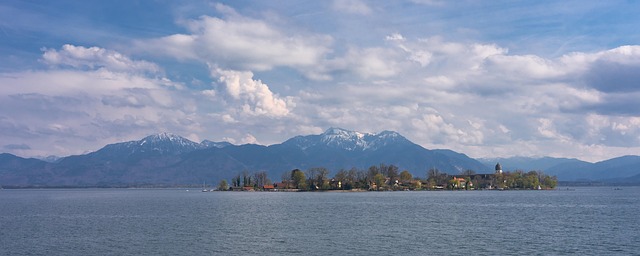
Middletown's Sachuest Beach offers a serene escape from the bustling coastline, but even here, tranquility is not immune to modern challenges. As the beach becomes more popular, ensuring a peaceful experience for all visitors is paramount. This involves a delicate balance between enjoying the outdoors and respecting personal boundaries, especially in light of privacy concerns. The legal framework surrounding beachside activities plays a crucial role in enforcing calm and protecting individuals from unwanted intrusions.
Rhode Island's laws, particularly those concerning No Call Laws, offer significant safeguards for beachgoers. These laws restrict telemarketing calls and unsolicited sales messages, providing much-needed respite from persistent phone calls. A lawyer specializing in No Call Laws Rhode Island can guide residents and visitors alike on how to exercise these rights effectively. For instance, knowing when a call is considered unauthorized and understanding the process of filing a complaint against violators are essential steps in maintaining a peaceful environment. By holding telemarketers accountable, these laws contribute to a more relaxed atmosphere at Sachuest Beach.
Moreover, local regulations regarding noise levels and beach access points play a pivotal role in creating an enjoyable yet respectful experience for everyone. Police and lifeguards enforce these rules, ensuring that gatherings remain within designated areas and noise doesn't disrupt the peace of nearby residents or other beachgoers. Regular community meetings and public consultations on such matters foster a collaborative approach to problem-solving, allowing for continuous improvement in privacy protection measures.
In addition to legal enforcement, educating visitors about their rights and responsibilities is vital. Simple awareness campaigns can empower individuals to make informed choices regarding personal space and noise levels. By combining robust legal protections with community engagement, Middletown's Sachuest Beach can continue to thrive as a haven for those seeking both relaxation and privacy in today's noisy world.
The Role of Legal Advocacy in Beach Safety

Middletowns Sachuest Beach, a haven for both residents and visitors alike, offers not just breathtaking vistas but also raises significant concerns regarding privacy protection, especially in light of growing noise from nearby development. Legal advocacy plays a pivotal role in ensuring that beachgoers enjoy their time undisturbed, particularly through the enforcement of No Call Laws in Rhode Island. These laws, designed to safeguard citizens from unwanted telemarketing calls, are instrumental in preserving peace and tranquility at public spaces like Sachuest Beach.
The presence of a dedicated lawyer for No Call Laws Rhode Island can significantly impact beach safety. Such legal experts possess deep knowledge of consumer protection legislation, enabling them to guide individuals on their rights and take necessary actions against violators. For instance, they can assist in drafting and submitting official complaints, ensuring that perpetrators face consequences for disregarding privacy regulations. This proactive approach not only deters future infringements but also informs beachgoers about their powers, fostering a culture of awareness and respect for personal boundaries.
Moreover, legal advocacy extends beyond individual cases. By engaging in collective actions, lawyers can lobby for stricter enforcement and broader awareness campaigns. Data from Rhode Island's consumer protection agency reveals a substantial increase in reported No Call Law violations over the past year, highlighting the growing need for robust legal intervention. Through strategic litigation and policy advocacy, these professionals can shape legislation to better protect citizens from intrusive calls, ensuring that Sachuest Beach remains a place of solace, free from unwanted interruptions.