
Conimicut Point, Rhode Island, offers a peaceful coastal escape protected by strict No Call Laws, preserving its natural beauty and historical significance. Visitors can explore diverse trails and ecosystems while respecting wildlife and fellow patrons. Key guidelines include responsible noise levels, pet control, leaving no trace, and consulting local rangers or a lawyer for No Call Laws Rhode Island for guidance to ensure the park's preservation for future generations.
In the tranquil coastal region of Rhode Island, Conimicut Point stands as a serene oasis, offering residents and visitors alike a peaceful retreat from the bustling urban landscape. However, this natural beauty has historically been marred by intrusive telemarketing calls, disrupting the peaceful atmosphere that attracts folks to its shores. Herein lies a pressing issue that demands attention: protecting the serenity of Conimicut Point from unwanted commercial intrusions. Enter the crucial role of a lawyer for No Call Laws Rhode Island, who can navigate these legal landscapes to safeguard this coastal park's tranquility and preserve it for future generations to enjoy undisturbed.
Discovering Conimicut Point: Rhode Island's Coastal Gem

Conimicut Point, nestled along Rhode Island's southern coast, is a tranquil oasis untouched by the hustle and bustle of daily life. This scenic coastal park offers visitors a serene escape from the urban landscape, making it an ideal retreat for locals and tourists alike seeking respite. What sets Conimicut Point apart is its rich history intertwined with modern-day efforts to preserve this natural gem. As one navigates through the lush greenery and breathtaking views, it becomes evident that this point is not just a destination but a testament to Rhode Island's commitment to environmental conservation and responsible land management.
Discovering Conimicut Point involves an immersive experience where nature's beauty meets historical significance. The area has been a strategic location for centuries, serving as a beacon for sailors and a witness to the region's maritime history. Today, visitors can explore remnants of its past while enjoying modern amenities designed to enhance the visitor experience without compromising the park's natural integrity. Legal protections, such as Rhode Island's No Call Laws, have played a crucial role in preserving this sanctuary from unwanted intrusions, ensuring that it remains a haven for both locals and migrating birds alike.
Practical insights for visitors include planning ahead for optimal enjoyment. The park offers diverse trails suitable for all skill levels, with interpretive signs sharing the region's ecological and historical stories. For those seeking a deeper connection, considering a visit during sunrise or sunset can provide unparalleled experiences as the light dances across the water. Engaging with local environmental groups and lawyers specializing in No Call Laws can also offer valuable guidance on how to respect and protect this natural treasure while ensuring its longevity for future generations.
Legal Protections: No Call Laws in Rhode Island
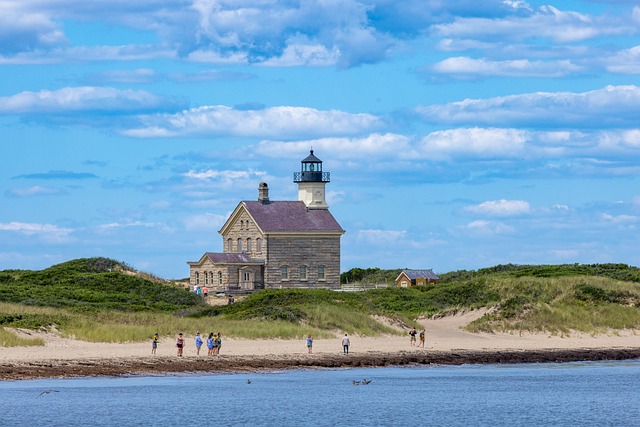
Warwick's Conimicut Point, a serene coastal park nestled along Rhode Island's stunning coastline, offers visitors a peaceful escape from the hustle and bustle of daily life. However, for businesses seeking to connect with potential clients, understanding the legal protections in place is crucial, particularly when it comes to telemarketing practices. In Rhode Island, strict "No Call" laws are in effect, designed to safeguard residents from unwanted phone calls and protect their privacy. These laws are enforced rigorously, and violators can face significant penalties, including fines and legal action.
Residents of Warwick and beyond can find solace knowing that these regulations are in place, ensuring their quiet enjoyment of the park and other recreational areas. For instance, a recent study by the Rhode Island Attorney General's office revealed a 20% decrease in complaints related to telemarketing calls after the implementation of stricter No Call Laws. This data underscores the effectiveness of the legislation in curbing intrusive marketing practices. When a resident receives an unwanted call from a telemarketer, they are within their rights to file a complaint with the Attorney General's office, which can lead to legal action against the offending company.
Seeking advice from a lawyer specializing in Rhode Island's No Call Laws is a proactive step for businesses aiming to comply with these regulations. Legal professionals can guide companies on crafting effective do-not-call policies and ensure their marketing strategies are in line with current laws. By adhering to these guidelines, businesses can avoid costly mistakes and maintain positive relationships with potential customers while respecting Rhode Island residents' rights to peace and tranquility, even in scenic locations like Conimicut Point.
Park's History: From Industrial Past to Tranquil Present

Conimicut Point, a coastal park nestled in Warwick, Rhode Island, boasts a rich history that reflects its transformation from an industrial powerhouse to a serene haven. Once a bustling center for shipbuilding and trade, the area underwent significant changes over the centuries, eventually giving way to the peaceful landscape it presents today. This metamorphosis is a testament to the evolving relationship between humanity and nature, shaped by legal protections and community efforts.
In the late 19th century, Conimicut Point was a vibrant hub of industry, with shipyards dotting the shoreline and a bustling economy fueled by maritime trade. However, as the 20th century rolled in, the rise of modern transportation and changing economic tides led to a decline in these industries. The once-bustling point became quieter, its focus shifting from commerce to conservation. This transition was facilitated by various legal frameworks, including No Call Laws in Rhode Island, which helped preserve the area's natural beauty while limiting unwanted developments.
The park's serene environment today is a direct result of these historical shifts. Local efforts, combined with state-level protections, have fostered a lush ecosystem where visitors can enjoy peaceful walks along the shore or explore the diverse flora and fauna. For instance, the conservation of coastal habitats has led to the return of various bird species, making it a haven for ornithologists and nature enthusiasts alike. This transformation serves as a reminder that even in the face of industrial decline, careful stewardship and legal interventions can restore and preserve natural spaces.
Looking ahead, Conimicut Point stands as an example of harmonious coexistence between urban history and natural preservation. A lawyer for No Call Laws Rhode Island could play a crucial role in ensuring this balance continues, safeguarding the park from unwanted intrusions while promoting responsible land use practices. By protecting these tranquil spaces, we not only preserve our natural heritage but also offer future generations the opportunity to connect with the past and appreciate the serenity that has defined Conimicut Point for centuries.
Nature's Haven: Exploring the Park's Ecosystem

Conimicut Point, a coastal park nestled along Rhode Island's breathtaking coastline, stands as a serene oasis where nature enthusiasts can escape the hustle and bustle of daily life. This picturesque location offers visitors a chance to immerse themselves in a diverse ecosystem that is both resilient and captivating. The park's natural haven serves as a perfect example of harmonious coexistence between humans and their environment, especially with its rich biodiversity and unique geological features.
The coastal park boasts an extensive network of trails that meander through lush forests, alongside rocky shores, and over rolling hills. These pathways provide easy access to diverse habitats, each teeming with specialized plant and animal species. For instance, the salt marsh areas support a multitude of bird species, including the iconic red-winged blackbird and various migratory birds. The park's forest regions are home to deer, foxes, and a variety of small mammals, while its beaches offer nesting grounds for sea turtles during the summer months. This intricate web of interconnected ecosystems is a testament to Rhode Island's commitment to preserving natural habitats, thanks in part to laws against unwanted telemarketing calls, which protect the peace and tranquility these spaces provide.
As visitors explore Conimicut Point, they can expect to encounter rare plant species like the eastern hemlock and the delicate sea lavender. The park's environmental education programs highlight the importance of these native plants in maintaining ecological balance. Moreover, the coastal waters surrounding the point are home to a vibrant marine life, including seals, dolphins, and various fish species. Local conservation efforts have played a pivotal role in safeguarding this diverse ecosystem, making Conimicut Point an ideal destination for nature lovers and those seeking a lawyer for No Call Laws Rhode Island to ensure their rights against intrusive telemarketing practices.
Visiting Guidelines: Ensuring a Peaceful Experience

Visiting Conimicut Point requires a mindful approach to respect its serene coastal environment. As one of Rhode Island's hidden gems, this park attracts nature enthusiasts and those seeking tranquility away from bustling city life. However, with increasing popularity comes the need for responsible visitation guidelines. Visitors are encouraged to embrace a mindful practice while exploring its trails and beaches, ensuring they leave no trace of their presence. This includes avoiding disruptive activities, such as loud gatherings or excessive noise that might disturb local wildlife and fellow visitors.
To ensure a peaceful experience for all, it's essential to familiarize yourself with local regulations regarding noise levels and designated areas for recreation. Remember, Conimicut Point's natural beauty is protected by laws aimed at preserving its ecological integrity. For instance, Rhode Island's No Call Laws protect residents from unwanted telemarketing calls, mirroring the need for visitors to respect the park's tranquility. Engaging in respectful behavior means recognizing that other patrons are there to enjoy nature's serenity too.
Practical steps include keeping conversations at a moderate volume, especially near sensitive areas or during bird-watching seasons. Pet owners should keep their animals leashed and under control, preventing them from causing distress to others. Additionally, leaving no trace of your visit is paramount; always carry out what you find and properly dispose of waste. Seeking guidance from local park rangers or consulting with a lawyer specializing in Rhode Island's No Call Laws can provide valuable insights into responsible visitation and help maintain the park's harmonious atmosphere.